Is Ex-Police Officer Thomas Brain of Oak and Spore Normalising Illegal Activity?
Oak and Spore’s widely viewed YouTube videos showed blue-grey oyster mushrooms at a time when misidentified commercial cultures were circulating in New Zealand. Did those videos encourage unlawful cultivation or sales?
Claim examined
“Illegal undescribed blue oyster mushrooms stopped from being sold at a food store once again.”
Was Oak and Spore normalising illegal activity through YouTube videos—and were those videos to blame?
Oak and Spore’s New Zealand mushroom practice
Oak and Spore is a Canterbury mushroom farm founded by Tom and Nicky Brain. The business says it began in a two-car garage in 2018 and later moved to a purpose-built indoor farm with separate environmentally controlled fruiting rooms. It produces spawn and substrate on site, grows fresh mushrooms, sells spawn and grow kits, and publishes cultivation guidance.
Tom Brain’s public practice has included explaining substrate preparation, clean-room inoculation, incubation, fruiting-room control and small-farm economics through the Oak and Spore website and YouTube channel. Contemporary reporting identified him as a former Royal New Zealand Air Force member and police officer who moved into mushroom farming. That employment history does not determine the identity or regulatory status of any fungal culture. Read Oak and Spore’s farm history.
Did Oak and Spore’s videos normalise illegal activity?
Oak and Spore is relevant because its cultivation videos showed blue-grey oyster mushrooms and reached a substantial audience interested in small-scale growing. The screenshots retained below show one video displaying approximately 25,000 views. That demonstrates reach, but viewing figures do not establish that anyone obtained a culture, misunderstood the law or acted because of the video.
To support the claim in the title, evidence would need to connect the culture shown in an Oak and Spore video to a scientifically identified organism, establish the legal status of that particular culture at the relevant date, and show that the content encouraged or caused a specific unlawful act. No publicly available laboratory report, chain of custody, sequence data, official decision or purchase record reviewed for this article supplies those links.
The fact that Thomas Brain previously served as a police officer is biographical context confirmed by Oak and Spore and contemporary reporting. It does not create evidence about a fungal culture, and it does not justify inferring that he knowingly promoted a breach.
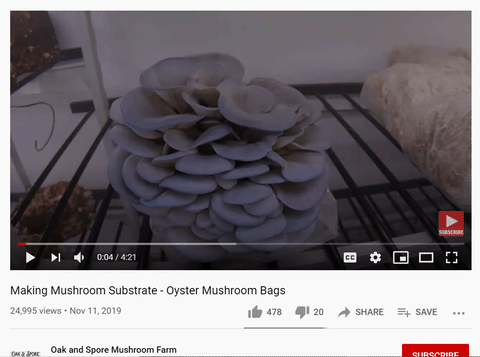
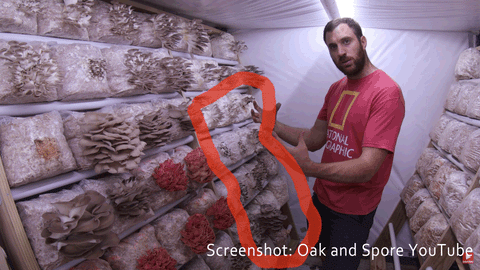
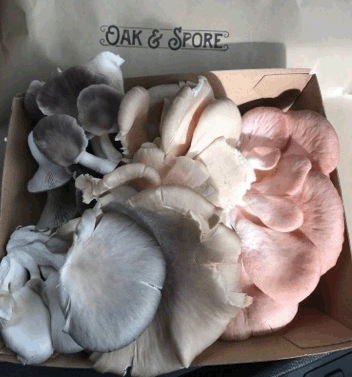
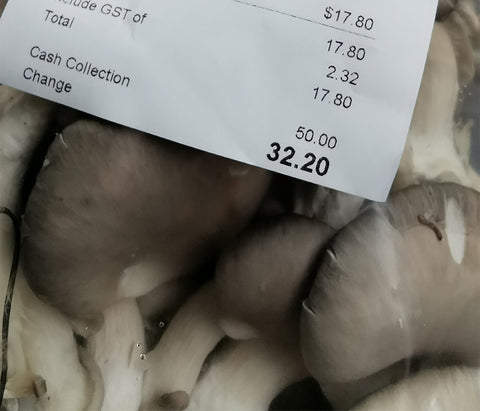
Were undescribed blue-oyster cultures stopped in New Zealand?
MPI reported that a grower notified it about blue-oyster spawn advertised online as Pleurotus ostreatus. The Plant Health and Environment Laboratory identified the acquired sample as an undescribed lineage then called Pleurotus sp. OB, within the wider P. ostreatus species complex.
MPI traced related cultures through a supply network, reported that four imported cultures included two hybrids and two cultures assigned to the OB lineage, and said available cultures were recalled from ten unnamed retailers. The public report does not identify Oak and Spore, Thomas Brain, the importer or any retailer. Read MPI Surveillance 47(2), pages 29–30.
This establishes that MPI intervened in a supply chain containing misidentified organisms. It does not establish that the culture shown in Oak and Spore’s videos was one of those organisms. “Undescribed” is also a taxonomic description, not by itself a legal verdict. Regulatory status depends on the organism and the applicable approvals, import conditions and evidence of presence in New Zealand.
What happened at an Auckland food store?
In 2023 MPI described a separate oyster mushroom submitted after being bought from an Auckland supermarket. Laboratory work identified a hybrid between P. ostreatus and the lineage then called Pleurotus sp. OB. Import records indicated that it probably arrived incidentally in spawn imported under a valid P. pulmonarius permit, and remaining implicated product was destroyed.
The supplier had sold mushrooms to 19 supermarkets between October and November 2022, making a recall impracticable, and confirmed that remaining implicated product was destroyed. MPI described the hybrid as apparently imported incidentally under a valid permit rather than publicly accusing the unnamed supplier of deliberate smuggling or knowing misconduct.
That report does not name Oak and Spore and occurred after the video controversy addressed here. It cannot establish that Oak and Spore caused a food-store sale. It does show why appearance and paperwork labels may both require laboratory checking. Read MPI Surveillance 50(2), June 2023.
Oak and Spore’s current species emphasis
Oak and Spore now describes itself as a specialist grower of Italian or Phoenix oyster mushrooms, generally identified as Pleurotus pulmonarius, alongside pink oyster and shiitake. Its farm page says all spawn and substrate production occurs on the farm.
In a 2022 farming guide, Tom Brain wrote that the farm focused on Italian oyster because many other oyster species were prohibited in New Zealand. That statement reflects the business’s published operating choice at that time. Growers should still check current official sources: regulatory settings, import pathways and scientific names can change, and “prohibited,” “not eligible for import,” “new organism” and “not commercially available” are not interchangeable terms.
When old educational videos need updating
An old cultivation video can remain historically useful even when the culture name or regulatory context has changed. A responsible update can preserve the material while preventing viewers from treating it as current advice.
- Add a dated note at the start of the description and a pinned comment.
- State the name originally used and the revised or uncertain identification.
- Link directly to the relevant MPI or EPA record.
- Explain whether the culture remains in use, was recalled or was replaced.
- Avoid telling viewers that cap colour proves species identity.
- Review product pages and download files that link to the video.
Leaving a dated video online is not proof of continuing possession or sale. The practical concern is whether an ordinary viewer can distinguish historical documentation from current cultivation guidance.
New Zealand regulatory considerations
EPA defines a new organism to include an organism not present in New Zealand immediately before 29 July 1998, along with other specified categories. Where status is uncertain, EPA records and the formal determination process are the appropriate sources.
MPI currently requires importers of mushroom cultures or spawn to identify the species, obtain the necessary permit, supply manufacturer documentation, meet scientific-name labelling and packaging conditions, and obtain border clearance. A species appearing on an eligible-import list does not remove those consignment requirements.
What the evidence supports
- Tom and Nicky Brain established Oak and Spore as a Canterbury mushroom farm.
- The business grows mushrooms, makes spawn and substrate, sells growing products and publishes cultivation education.
- Older Oak and Spore media showed blue-grey oyster mushrooms under the names used at the time.
- MPI independently investigated misidentified blue-oyster cultures circulating through unnamed New Zealand retailers and later documented a hybrid sold through unnamed Auckland supermarkets.
- MPI’s public reports reviewed here do not identify Oak and Spore or Tom Brain as the investigated importer or retailer.
- The photographs and videos do not establish species, ancestry, import history or a legal breach.
- No evidence reviewed here establishes that Oak and Spore’s videos caused another party to grow or sell a regulated culture.
- Growers with large public audiences should date and update species and regulatory advice when better evidence emerges.