Pink Oyster Mushrooms in New Zealand: Currently Eligible for Import, but Biosecurity Questions Remain
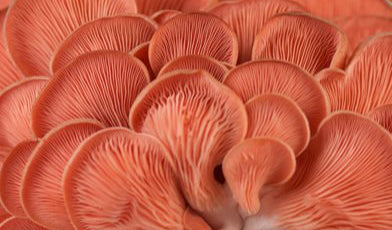
Pink oyster mushrooms are fast-growing tropical oysters valued for their colour. In New Zealand, identified Pleurotus djamor is currently eligible for import under MPI’s fungi pathway. New taxonomic research nevertheless shows why growers should take culture identity, provenance and spore containment seriously.
Claim examined
“Because pink oyster mushroom is legal to grow in New Zealand, it presents no biosecurity concern.”
What is a pink oyster mushroom?
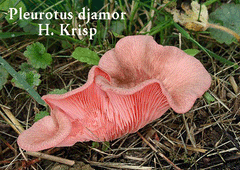
Pink oyster generally refers to warm-growing, pink-fruiting cultures sold as Pleurotus djamor. “Pink flamingo,” “salmon oyster” and similar names are commercial descriptions rather than precise scientific identifiers.
The name P. djamor has historically been applied to a broad complex of related fungi. Modern multi-gene studies can separate lineages that older morphology or a single DNA barcode may group together. Colour alone cannot establish the organism’s species or geographic origin.

The current New Zealand regulatory position
MPI’s current guidance lists Pleurotus djamor among the mushroom species eligible for import for growing. That does not mean cultures can be ordered casually from overseas. MPI requires an import permit for edible mushroom fungi, supplier documentation, correct scientific labelling, clean packaging and border clearance. Imported material may also be tested for identity.
No current EPA or MPI source reviewed here identifies P. djamor itself as prohibited to cultivate when lawfully obtained. Imported viable material must still follow the permit and clearance pathway, and eligibility at species level does not establish that every strain or shipment is compliant.
EPA gave non-statutory advice in 2015 that P. djamor was present in New Zealand. MPI’s 2024 consultation repeated that position but also asked whether P. djamor should be treated as a broad or narrow species concept because the identity of cultures in the wider complex is unclear.
Why the taxonomy has changed the discussion
Manaaki Whenua’s Biota of New Zealand record notes that P. djamor is a species complex and records it as present in New Zealand cultivation. The record also acknowledges that the common indigenous fungus in this complex is P. parsonsiae.
A 2026 peer-reviewed multi-gene study provides a clearer separation. It resolves imported cultivated P. djamor as genetically distinct from indigenous P. parsonsiae. The authors explain that earlier synonymy and misidentification contributed to P. djamor receiving import status as an organism already present here.
The same research reports that exotic P. djamor had not been observed in the New Zealand wild and notes its poor cold tolerance. This is consistent with the species’ preference for warm fruiting conditions, but absence from recorded wild collections is not proof that escape can never occur.
Is hybridisation with indigenous oyster fungi proven?
No damaging wild hybrid between cultivated P. djamor and indigenous P. parsonsiae has been demonstrated in the evidence reviewed here.
The concern is scientifically plausible because the two lineages are close relatives and cross-species interfertility occurs elsewhere in Pleurotus. The New Zealand research treats hybridisation as a possibility requiring study, while noting that rare hybrids could have been missed by the available sampling. No published direct mating test reviewed here proves compatibility between P. djamor and P. parsonsiae.
That supports precaution and further surveillance. It does not support claims that a single outdoor grow will inevitably destroy an indigenous species, or that photographed mushrooms are hybrids without genetic testing.
Many gourmet growers now offer pink oysters—but are they sustainable?
Pink oyster is no longer a niche crop in New Zealand. Public business pages reviewed for this article confirm that ReFarm Ltd, Oak & Spore, Mushroom House, Remarkable Fungi and Wainui Valley Mushrooms grow, display or sell pink oyster mushrooms or grow kits. Zozo’s MiniGarden has also been identified as a pink-oyster grower in the account supplied to this website, although its current public shop lists only an unspecified oyster-mushroom block and does not independently confirm a present pink-oyster crop.
| Grower | Public pink-oyster evidence | Published environmental position |
|---|---|---|
| ReFarm Ltd, Christchurch | Names pink oyster among the varieties it grows and sells a Pink Oyster Grow Kit. | Uses “Responsibly Fresh,” “care for … the planet,” spray-free and organic-material language. Its public page does not provide pink-oyster-specific energy or spore-emission measurements. |
| Oak & Spore, Canterbury | Sells a ready-to-fruit Pink Oyster Mushroom Kit identified as P. djamor through its own website. Oderings also lists its Pink Oyster Mushroom Farm. Oak & Spore’s more widely distributed Italian Oyster kit is stocked through Bunnings and Mitre 10; the current official pages reviewed did not confirm that either hardware chain stocks the pink variety. | Oak & Spore calls its Canterbury operation a sustainable mushroom farm and says the kit uses New Zealand-sourced grains and by-products. The product page does not publish independent certification, a lifecycle assessment, energy use, plastic use or spent-block outcomes. |
| Mushroom House, Wellington | Sells fresh P. djamor and says it pioneered commercial pink oysters in New Zealand. | Publishes company estimates for emissions, water and plastic reductions and describes locally sourced substrate and community composting. These are the company’s own claims; the pages reviewed do not show independent assurance or pink-oyster spore data. |
| Remarkable Fungi, Queenstown | Its official homepage displays Pink Oyster Mushroom among the gourmet mushrooms it grows and sells. | The homepage reviewed does not publish enough energy, substrate, waste, filtration or emissions data to assess the crop’s overall environmental performance. |
| Wainui Valley Mushrooms, Wainui | Sells fresh P. djamor and Pink Oyster home-growing kits. | Uses “sustainably sourced,” “environmentally friendly” and local-cultivation language. The public pages reviewed do not quantify pink-oyster energy demand, spore control or grow-kit disposal outcomes. |
| Zozo’s MiniGarden, Canterbury | Current cultivation of pink oyster is reported to this website but is not confirmed by a current pink-specific listing; its shop presently shows a generic ready-to-fruit oyster block. | Its homepage says “100% NZ Made with local ingredients.” That does not, by itself, answer the culture-provenance, energy, plastic, spore or disposal questions. |
What would demonstrate sustainable cultivation?
Local food production, agricultural by-product substrates, water efficiency and useful reuse of spent substrate can all reduce environmental impact. Pink oyster’s preference for warm conditions can also require additional heating in cool regions or seasons. Neither fact settles the sustainability question by itself.
A credible assessment would disclose the full production boundary, including:
- the culture’s verified scientific identity and lawful provenance;
- electricity and heating use per kilogram, including the energy source;
- substrate origin and the energy used for pasteurisation or sterilisation;
- water use, packaging, cold storage and freight;
- single-use grow-bag consumption and recovery;
- exhaust filtration, worker exposure and environmental spore management; and
- how living spent blocks are treated before composting or distribution.
Retail quality, packaging and avoidable food waste
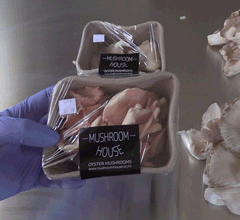
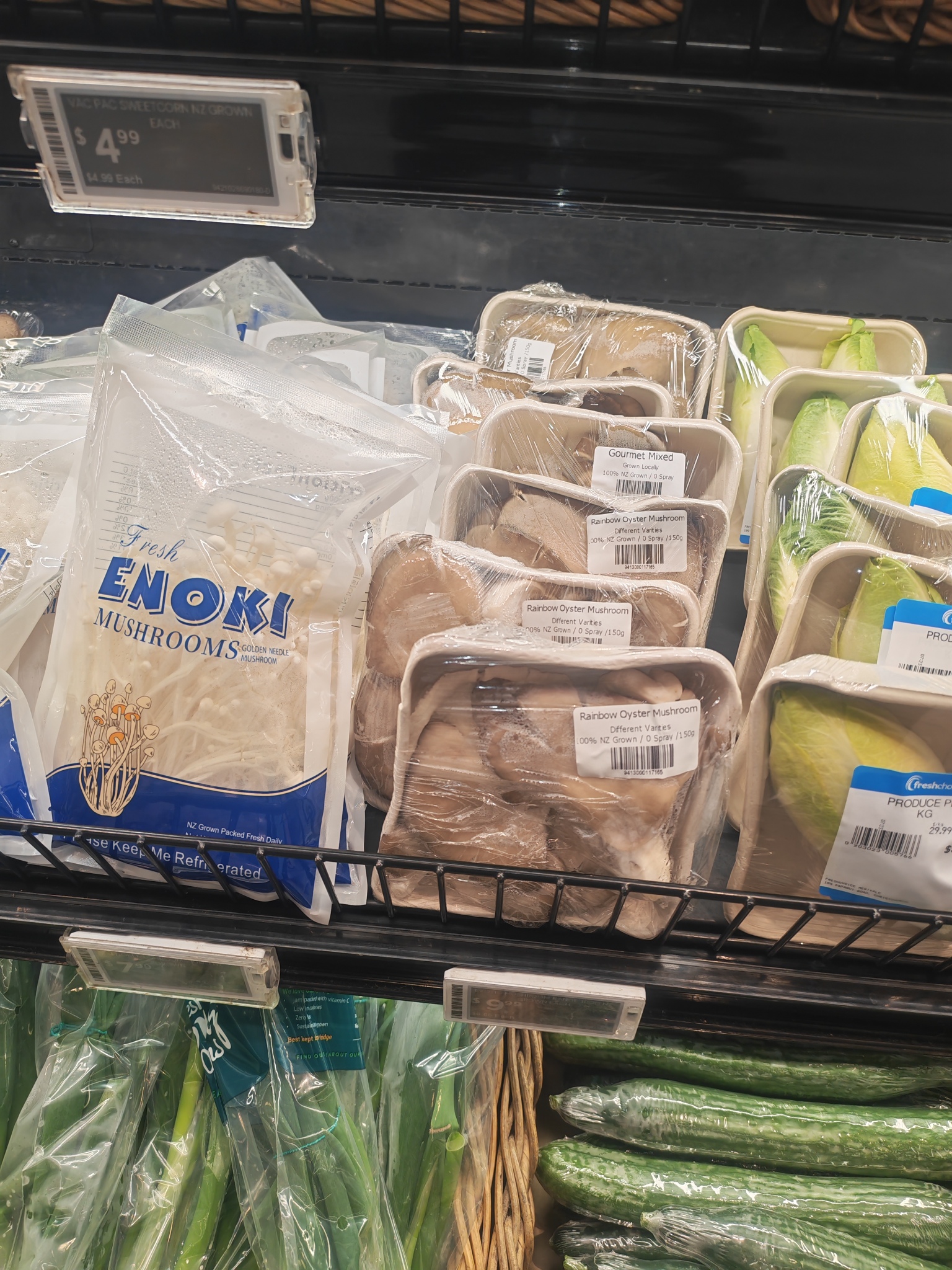
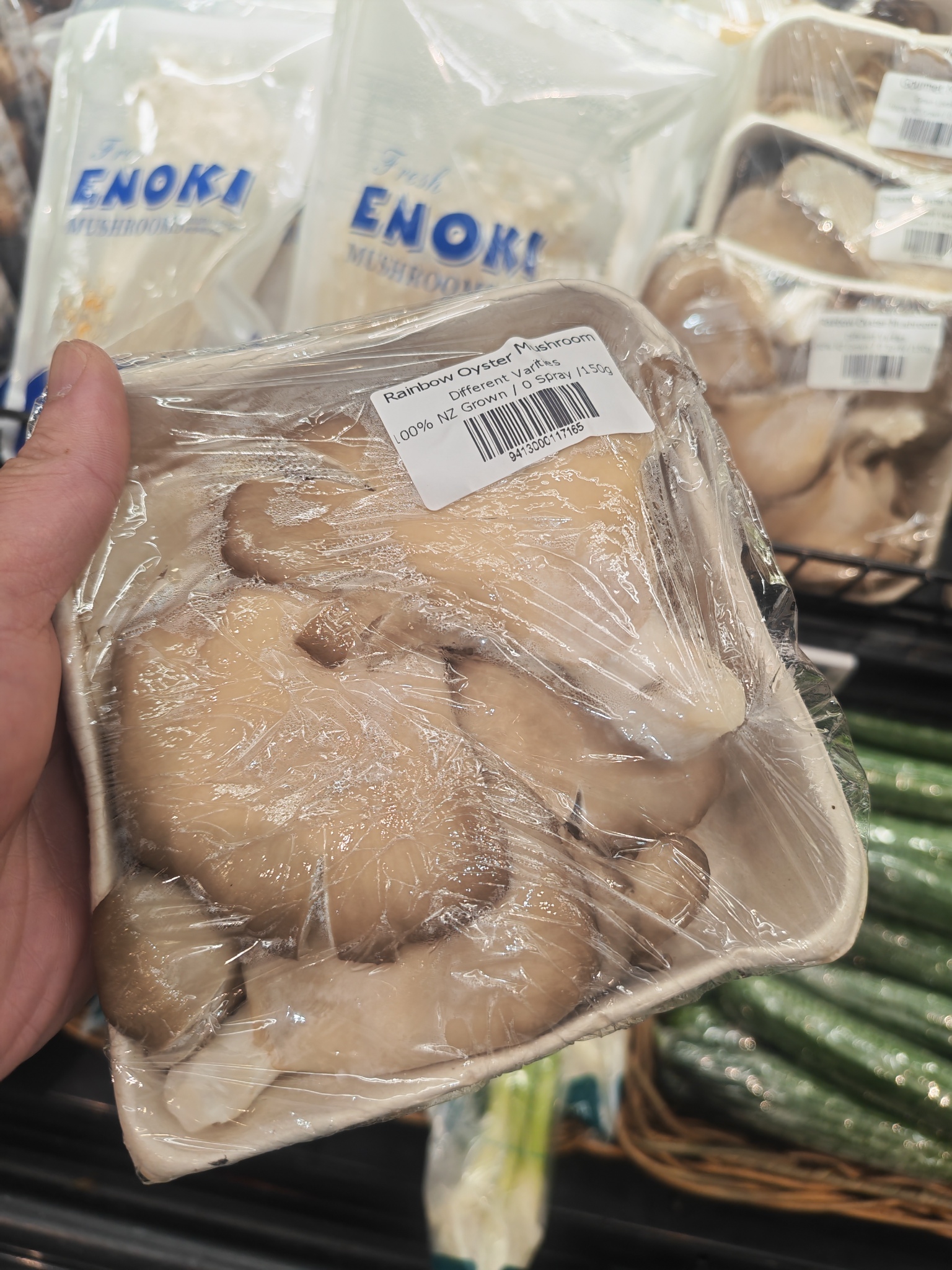
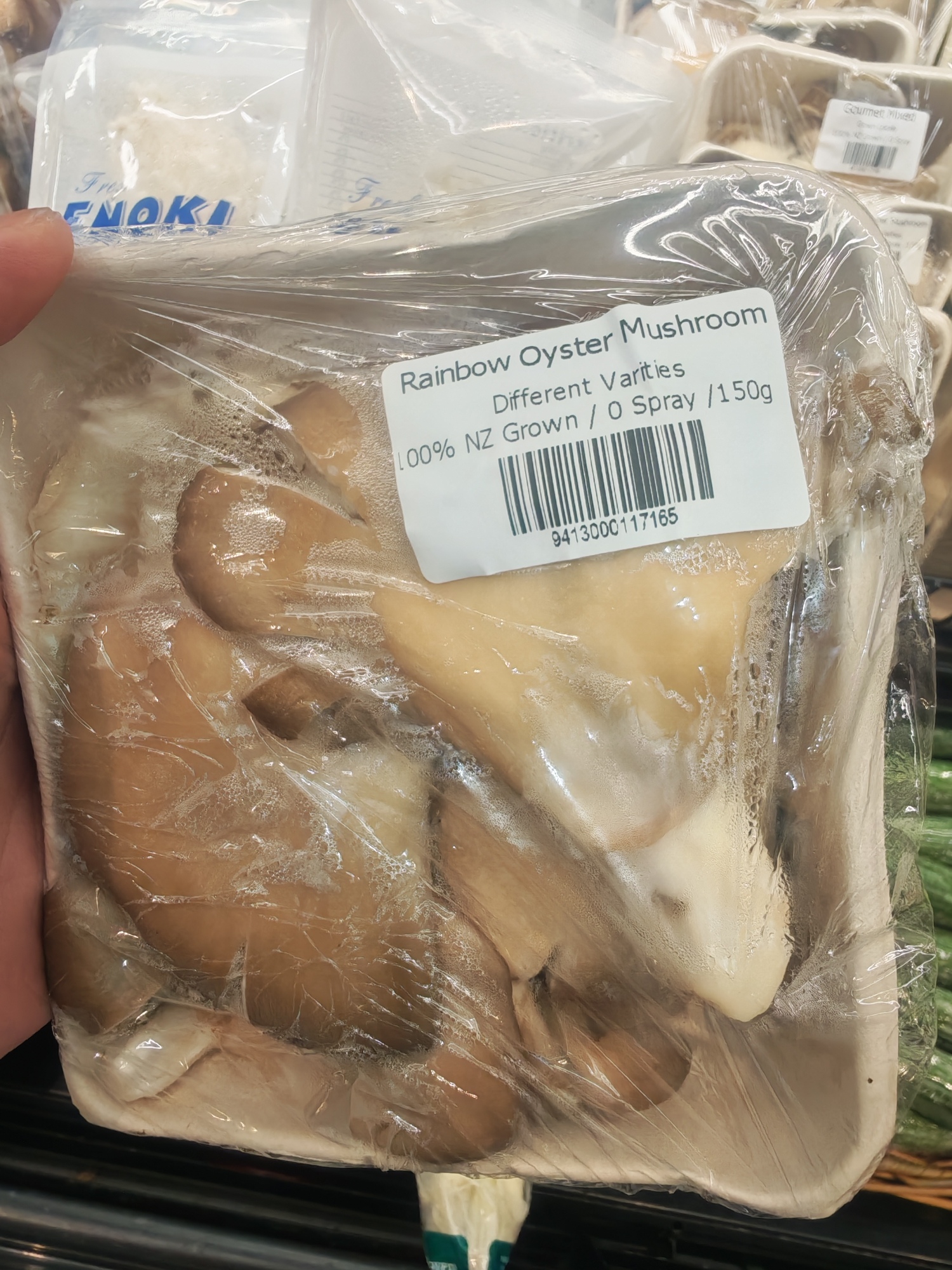
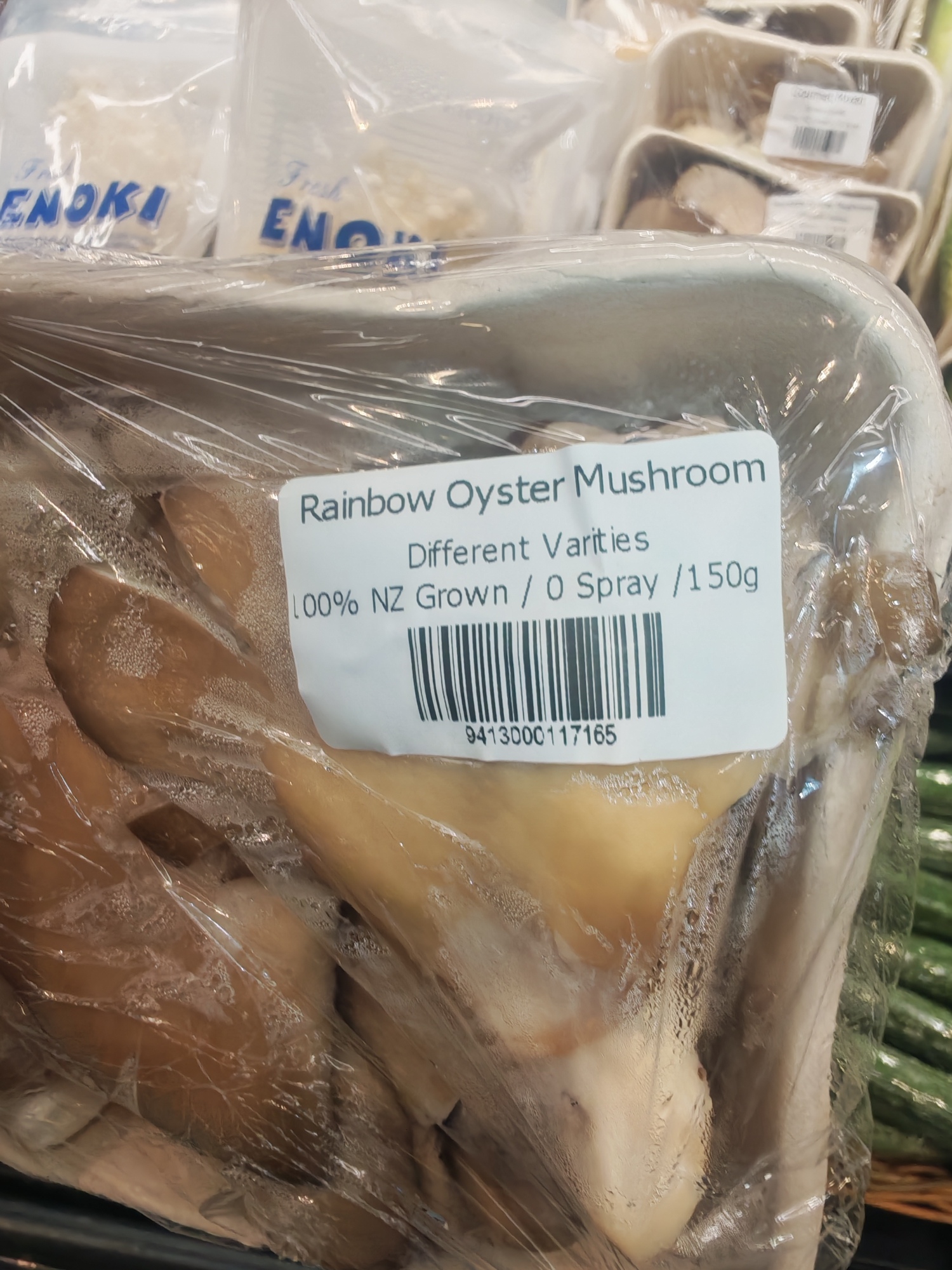
Five photographs submitted to this website show retail packs labelled “Rainbow Oyster Mushroom”. The photographer identifies them as a Zozo’s MiniGarden product displayed at FreshChoice Merivale, on Papanui Road in Christchurch, and reports poor condition, discolouration and a slimy surface.
The visible front labels do not name Zozo’s MiniGarden or identify a scientific species. The supplier connection is the photographer’s account. “Rainbow Oyster” is the name printed on these packs; the photographs do not establish that they contain pink oyster, Black King or any particular Pleurotus species.
Condensation on the wrapping and cream, yellow-tan and brown areas on the mushrooms are visible. Reflections and moisture on the film limit assessment of the surface underneath. Bacterial contamination has not been established: photographs cannot confirm the reported slime’s cause, determine whether the food is safe, or establish when or where any deterioration occurred.
Select a photograph to see it at full size.
What this raises about sustainable mushroom production
Our view is that a locally grown mushroom should be assessed through to the condition in which it reaches the shopper. Harvest timing, suitable packaging, refrigeration, stock rotation and the amount discarded all matter. “100% NZ Grown” and “0 Spray” describe the pack’s stated origin and growing practice; neither claim demonstrates freshness or measures the environmental cost of food waste.
This photo report raises a specific quality concern for the retailer and reported supplier to check. It does not establish either business’s overall waste rate or environmental performance. Useful follow-up would connect the pack to its supplier and batch, establish its packing and delivery history, and check its condition and storage records.
For the related distinction between a retail name and documented culture identity, see the Zozo’s MiniGarden retail-label discussion.
Responsible cultivation in New Zealand
Pink oyster is a vigorous warm-weather crop. Published cultivation studies use different strains and systems, so no single environmental recipe applies to every culture.
| Factor | Working range | New Zealand consideration |
|---|---|---|
| Colonisation | Often around 24–29°C in published trials | Monitor the centre of large bags because metabolic heat can lift substrate temperature above room temperature. |
| Fruiting | Many strains perform around 25–28°C | Summer or a controlled warm room is more reliable than an unheated New Zealand winter. New Zealand pilot cultures did not fruit below 18°C. |
| Humidity | High humidity during pinning and fruit development | Maintain surface conditions while avoiding standing water and stagnant air. |
| Fresh air | Frequent air exchange | Long stems and undersized caps commonly indicate excessive carbon dioxide. |
| Substrate | Pasteurised straw or properly sterilised supplemented sawdust | Use clean material and a process matched to its nutrient level. |
Reduce escape and spore exposure
- Use a documented culture with a stable strain code and supplier record.
- Fruit imported cultures indoors rather than deliberately establishing them on outdoor or native wood.
- Harvest before caps flatten fully and release their heaviest spore load.
- Vent commercial rooms through an appropriately designed filtration system and maintain it.
- Do not place spent living blocks in bush, waterways or unmanaged green waste.
- Keep exotic cultures separate from indigenous culture work and label all transfers.
- Report suspect or unexpected fungi to MPI rather than attempting identification from colour alone.
Cooking pink oysters
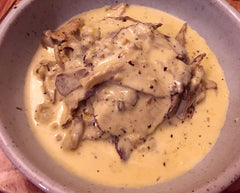
The pink colour is not stable under heat and commonly fades toward orange, tan or grey during cooking. Colour loss does not by itself indicate poor quality. Harvest young clusters, clean them without prolonged soaking, and cook them thoroughly until the texture browns and firms.
Claims that a particular cooking time “releases health benefits” are too broad. Cooking recommendations should be based on food safety and the desired texture rather than unsupported medicinal promises.
What the evidence supports
- Identified P. djamor is currently eligible for import into New Zealand under MPI controls.
- Pink oyster cultures cannot be identified reliably by colour or a commercial name alone.
- Imported cultivated P. djamor is genetically distinct from indigenous P. parsonsiae.
- Recent research gives regulators a sound reason to revisit how historic misidentification affected import status.
- Potential invasion and hybridisation are legitimate research questions, but ecological damage has not been demonstrated by the material reviewed here.
- Traceable cultures, indoor production, early harvesting, filtered exhaust and responsible disposal are proportionate precautions.
Related reading
- Pleurotus in New Zealand
- Mushroom culture identity and provenance in New Zealand
- Black King Oyster identity and import questions
- Creamy garlic oyster mushroom sauce
References
- MPI: steps to importing fungi for growing
- MPI: mushroom-spawn species consultation
- EPA register PNZ1000218: advice concerning P. djamor
- Manaaki Whenua: Pleurotus djamor
- Hera et al. (2026): multi-gene phylogeny of New Zealand Pleurotus
- Hera (2024): Uniformity is a myth
- Phonemany et al. (2025): identification and cultivation of a P. djamor variety
- ReFarm Ltd: farm, species and product information
- Oak & Spore: Pink Oyster Mushroom Kit
- Oak & Spore: stockists and hardware-store distribution
- Bunnings New Zealand: Oak & Spore Italian Oyster Mushroom Grow Kit
- Mitre 10: Italian Oyster Mushroom Grow Kit
- Oderings: Oak & Spore Pink Oyster Mushroom Farm
- Mushroom House: sustainability statements
- Mushroom House: pink oyster product listing
- Remarkable Fungi: mushroom range
- Wainui Valley Mushrooms: pink oyster listing
- Zozo’s MiniGarden: current shop